How Showit Designer Jordin Brinn Creates Websites That Feel Unmistakably You
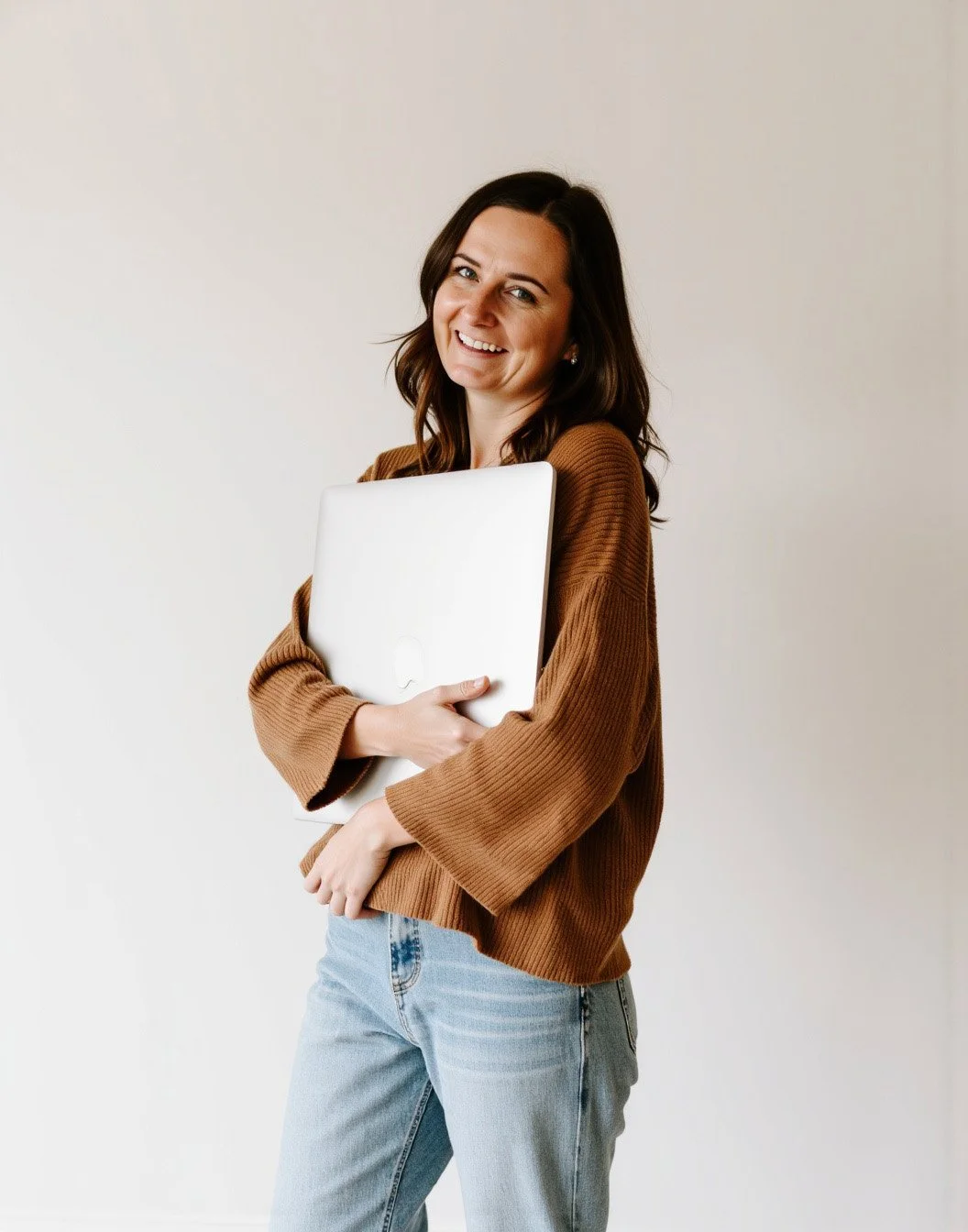
As a copywriter, I know that words alone can’t carry the weight of a truly powerful website—and neither can design on its own. The real magic happens when strategy, storytelling, and visuals work together seamlessly. That’s why I love partnering with designers like Jordin Brinn, the creative mind behind Unica Formo.
Jordin is one of those rare designers who doesn’t just “make things pretty.” She builds websites and brands with depth and intention—pulling out the essence of her clients and turning it into something that perfectly mirrors their business personality.
I interviewed Jordin, where she shared how she got started, why personality-driven design matters, and what really goes into creating a strategic, high-performing website.
If you’ve ever wondered what it’s like to work with a professional designer—or how copy and design come together to create a site you’re proud to share—you’re going to love this interview.
To start us off, can you introduce yourself? I’d love to hear what inspired you to start Unica Formo and how your journey into web and brand design began.
I’m Jordin Brinn, the founder of Unica Formo, and I’m a branding and web designer. Honestly, I’ve been designing websites since I was nine—back then it was all for fun: building forums for my soccer teams, creating Sims communities where people could interact, and even sharing custom Abercrombie clothing kits for their Sims. Design has always been a part of me.
I officially launched Unica in 2016 as a wedding stationery company, using my graphic design background to create custom pieces for couples. While running that business, I reconnected with web design and discovered ShowIt, which completely changed the game for me. I started designing websites for fellow wedding vendors and friends, and when COVID hit and weddings came to a pause, I fully transitioned into brand and web design. I’ve been loving every minute of it ever since—helping purpose-driven entrepreneurs create websites that are not just beautiful, but feel like them.
Your business name is so unique—can you share the story behind it?
LOL, yes I can share, but it’s a bit of a long story. When I launched Unica in 2016 as a wedding stationery business, it was actually called Unica Forma, which means “unique form” in Latin. My husband and I were just throwing out name ideas, and this one stuck. I ended up building a really large and popular wedding stationery business under that name.
In 2020, when I decided to pivot to brand and web design, I let the domain name expire because I didn’t plan on using it anymore. Within seconds, someone scooped it up and was reselling it for $50,000. Five years later, it’s still listed at around $19,000. So, I tweaked it slightly—changing Unica Forma to Unica Formo. Legally, I’m still Unica Forma, but it means the same thing, and I was able to snag the domain name, Instagram handle, and all the digital pieces. It felt like a way to stay true to my roots, just with a small tweak…and definitely saved me tens of thousands of dollars in the process.
You’re a mom and an entrepreneur, which is no small balance. How do you navigate both, and how does that shape the way you run Unica Formo?
Yes, I’m a mom to a three-year-old and a five-year-old, and balancing parenthood with running Unica Formo has definitely shaped the way I structure my business. My kids always come first, and I’ve built my work around being fully present with them. I attend school events, sports, and enjoy everyday moments without letting work bleed into that time.
At the same time, when I’m working, I’m 100% focused on my clients and projects. I don’t mix in chores or side tasks; it’s all about creating clear boundaries so I can give my full attention to whatever hat I’m wearing at the moment. It wasn’t always this way. I used to work around the clock, which quickly led to burnout. Now I’m intentional about the clients I take on and the hours I commit. The best part is that many of my clients are entrepreneurs who value the same balance, so those boundaries are respected and appreciated.
What industries do you feel most connected to, and what drew you to focus on those types of clients?
I’ll be honest—I haven’t fully nichéd down, and if I could, my “niche” would really just be people and businesses I genuinely like and connect with. This year, I’ve been intentional about filling my client roster with individuals I would hire myself or even be friends with in real life.
In terms of industries, I’m naturally drawn to health and wellness, design, and the wedding space. Therapists and nutritionists resonate with me because of my own experiences—I’ve been in therapy for years and have worked closely with dietitians—while interior designers and other creative professionals align with my personal interests and aesthetic tastes. My background in wedding stationery also naturally brings in wedding vendors.
Ultimately, it’s less about a strict industry and more about working with clients whose personalities, values, and work style I connect with. When there’s alignment on that level, the collaboration is enjoyable, rewarding, and produces work that truly feels authentic.
You talk a lot about “personality-driven design.” How do you pull a client’s personality into their branding and website in a way that feels natural and true to them?
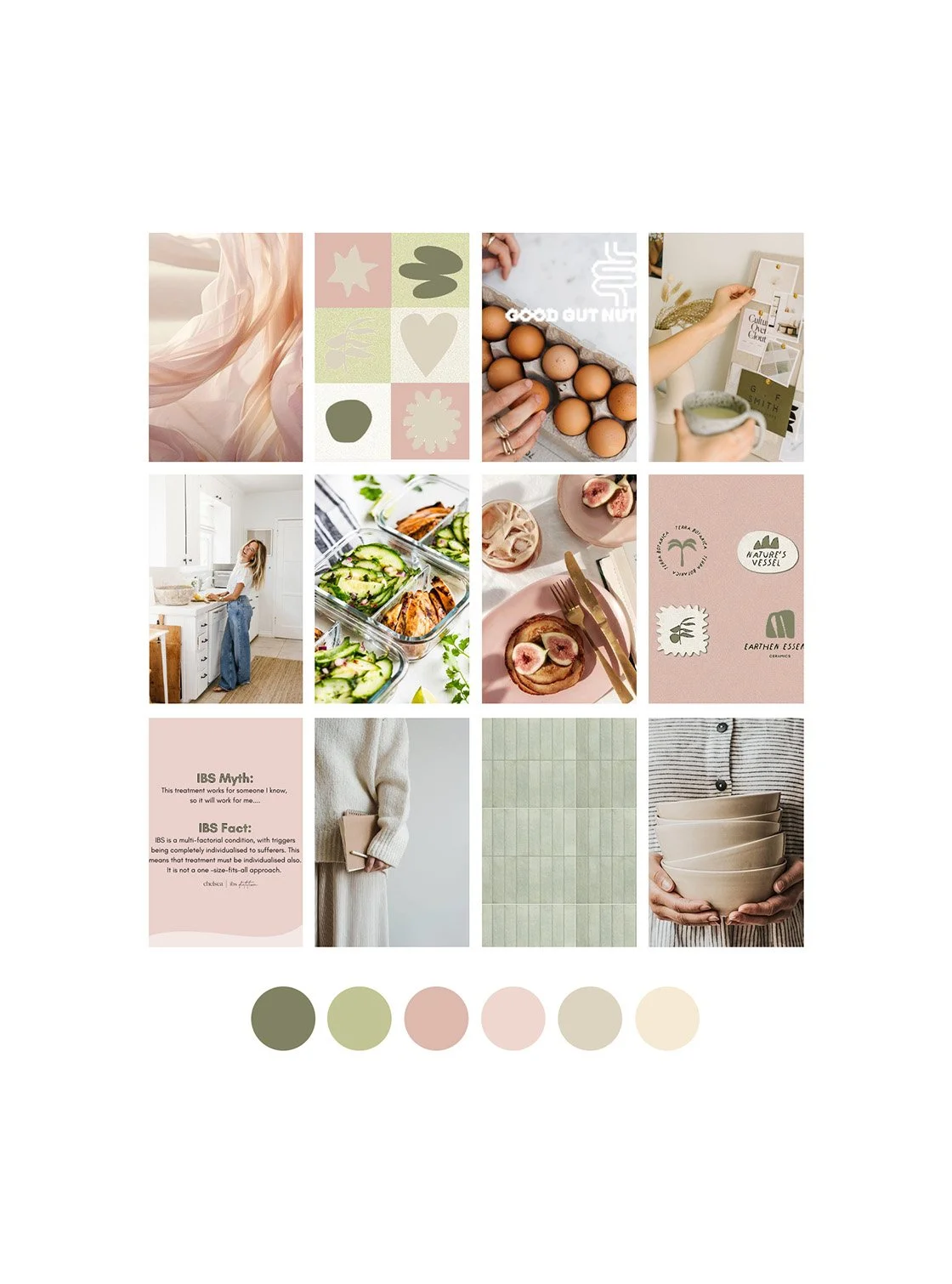
I talk about personality-driven design a lot because it’s really at the heart of what I do. The way I pull a client’s personality into their branding and website is simple: I actually take the time to get to know them. My clients are people I genuinely like and would hire or befriend in real life, and I want to understand everything about them and their business.
I use a detailed workbook to dive into the ins and outs of their business, goals, processes, aesthetic preferences, and the reasoning behind the choices they’ve made. I even explore things like how their business name came to be, so I can capture the nuances that make their brand unique. From there, I translate all of those details into a brand and website that feels authentic to them.
If you look at my portfolio, you’ll see a wide variety of styles—from dark and moody to bright and bubbly, to clean and professional. That’s because I design for the client, not to my own personal style. My goal is always to create something that they love and that truly reflects who they are and who they serve.
During a VIP Day, you often handle SEO setup. For people who may not know what that actually involves, what are the key behind-the-scenes steps you take to help a website get found?
During some VIP Days, I make sure all the foundational SEO work for a website is in place so it can actually be found by the right people. This includes checking and setting up on-page SEO elements like headers and header structure, optimizing images for speed and search, and ensuring internal linking is intentional and strategic. I also set up essential tools like Google Analytics and submit the site’s sitemap to Google Search Console, which are often overlooked but critical for search visibility. Essentially, I take a website—whether it was DIYed by the client or designed by someone else—and make sure it has the technical foundation to perform well in search.
You design primarily on Showit—what made you choose that platform over the many others out there?
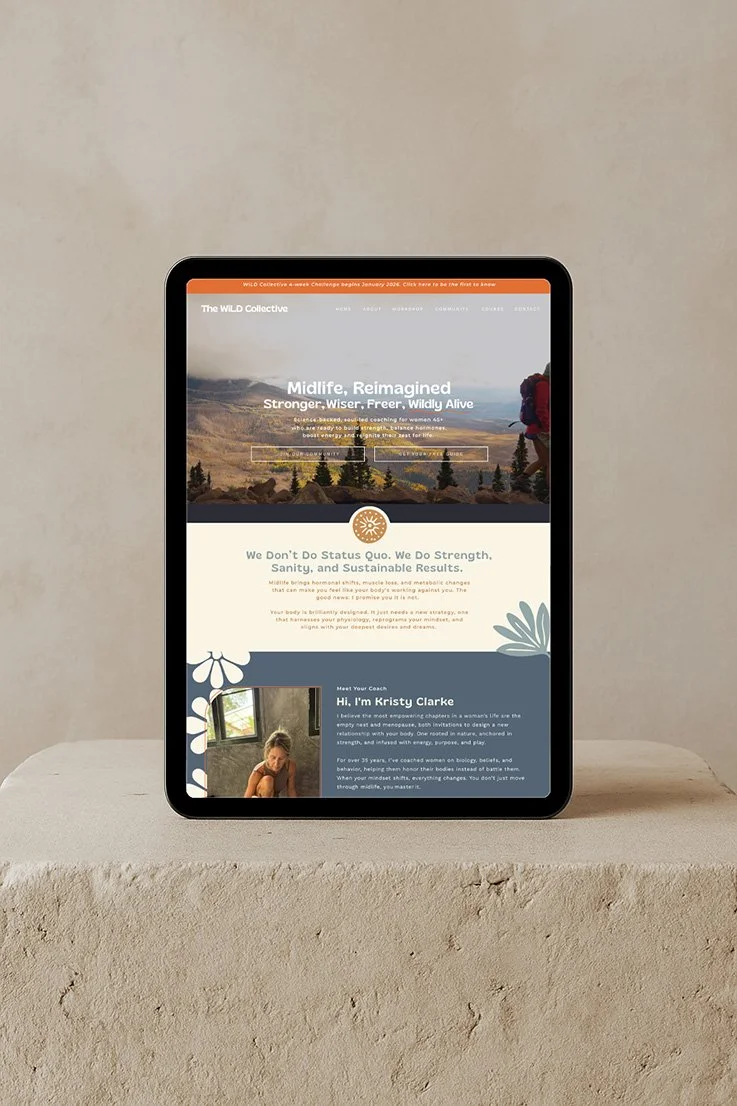
I’ve been in love with ShowIt since 2016, and it’s primarily because of the design flexibility. There’s no design ceiling—you can customize everything, and you can even have a completely different mobile version of a site than the desktop version, which is crucial given how many people browse on their phones and how often sites can get clunky on mobile.
I’ve tried most of the main platforms—Wix, Squarespace, WordPress—and while I can design on them if needed, ShowIt’s capabilities consistently outperform the others. For small business owners, especially service-based businesses, it’s often the perfect platform. For e-commerce, I usually work on Shopify, since it’s better suited for larger product catalogs or complex shopping experiences. Outside of that, ShowIt really gives the most flexibility, control, and design freedom for creating a site that truly reflects a brand.
Can you explain the difference between template customization and fully custom web design? What are the benefits of each, depending on where a business is in its journey?
Both template customization and fully custom web design will give you a polished, professional, and SEO-ready website, but the difference comes down to how much of the design is built from scratch.
A fully custom web design is exactly that—completely unique. Every element is created specifically for your business, so it can reflect your brand perfectly and evolve with your growth. This option is ideal if you’re ready to move on from a website that doesn’t quite feel right, want something that attracts the right clients, and are ready for a site that’s built entirely around your vision and business goals.
Template customization, on the other hand, starts with a vetted, professionally designed template. I customize it to fit your brand, colors, fonts, imagery, and overall vibe. This is a great option if you want a professional website without the longer timeline of a fully custom build. It usually takes three to five business days and is perfect for entrepreneurs who want quality results fast. Depending on your business structure or the number of pages you need, a custom design might make more sense, but template customization allows for a high-quality, on-brand site in a shorter time frame and often at a lower cost.
Both options work well for new or established businesses. It really comes down to your budget, timeline, and the level of customization you’re looking for.
Walk me through your design process from initial discovery to launch. What does collaboration look like along the way?
My design process starts with an initial conversation, usually through Instagram, my contact form, or a discovery call. I like to hop on a call so we can talk through your goals, needs, and any changes you’re hoping to make. I also walk clients through what the process looks like on my end.
After that, I send over all the logistics—contracts, invoicing, and a welcome guide—along with a robust branding workbook. This workbook helps me really get to know the client, their business, and their vision, and it’s typically completed about a month before the project starts.
On the project start date, I deliver the first creative elements, whether that’s a mood board, homepage design, or logos, depending on the project. We review together, either via feedback notes or a call, to make sure everything aligns with their vision. Because I gather so much detail upfront, I’m often able to nail it on the first round, but I always encourage clients to be picky—I won’t consider a project complete until they absolutely love it.
Once the homepage and branding elements are approved, I build out the rest of the website, incorporating the client’s preferences and feedback. After another round of revisions, if needed, I launch the site, transfer their old site if applicable, and provide a two-week support period to answer questions and make minor tweaks. Clients also receive an off-boarding guide, tutorial videos, and launch graphics to help them feel confident managing their new website.
Collaboration is really at the heart of the process. I want clients to feel heard, supported, and excited every step of the way, from the first call to launch day.
Who is an ideal fit for your VIP Day Intensive? And realistically, what kinds of things can you accomplish together in that focused time?
The ideal client for a VIP Day is someone who has a list of updates or projects they want to tackle quickly, whether that’s website changes, SEO cleanup, adding pages, blog setup, Shopify management, or branded collateral like guidebooks, pricing sheets, or Instagram templates. It’s also great for past clients who want a few updates without committing to a full design project.
Before booking, I always hop on a call to review the client’s needs and outline exactly what we can accomplish during our focused time together. Clients can check in throughout the day to see progress, which makes the process collaborative and efficient. While a VIP Day isn’t for building a full website, long-form sales pages, or creating a brand from scratch, it’s an incredibly productive way to get a lot done in a short period—and one of my favorite ways to work because I get to see and support so many different industries and business types.
When new clients come to you, what are some common misconceptions or hesitations they have about working with a web designer—and how do you help ease those fears?
When new clients come to me, some of the concerns I hear are things like “What if I don’t like the final design?” or “Will I be able to maintain it afterward?” or feeling like it might be easier or cheaper to DIY. I completely understand that perspective, but in reality, DIYing a website often ends up costing more—especially time, which is a business owner’s most valuable asset. Clients often spend hours trying to make something work, only to end up frustrated with broken layouts, mobile issues, or a site that just doesn’t feel polished. That lost time and the hidden costs of fixing mistakes can quickly outweigh the investment in a professional designer.
I help ease those fears by guiding clients through a highly strategic and thorough process. I make sure the website not only looks professional, but is fully functional, strategic, and designed to attract the right clients. I never launch a project unless both the client and I are completely confident in it. After launch, I provide a personalized walkthrough video, a library of tutorial videos, and ongoing support so clients feel empowered to manage their site with confidence. My goal is for every client to feel proud of their website, confident in using it, and certain that their investment was worth it.
For clients choosing Template Customization, what branding gaps do you notice most often? How do you help fill those so the final site feels cohesive and elevated?
For clients choosing template customization, I usually see gaps in basic branding elements—things like color palettes, typography, or a cohesive logo. I don’t take on a template client who doesn’t already have some branding or isn’t willing to add it as part of their package. To fill these gaps, I offer what I call mini-brand styling, where we establish a color palette, typography suite, and a wordmark logo.
This ensures the website feels cohesive and elevated, and it gives clients a foundation they can use for future collateral, social media posts, or other materials—all without the investment of a full branding package. It’s a simple but powerful way to make sure the final site feels professional, polished, and fully on-brand.
Need website design and copy?
If you’re looking for copy that pairs seamlessly with Jordin’s design work, I’d love to support your project. You can explore my copywriting services or start the conversation here.